Table of Contents
- Why a New Car Benefits from Ceramic Coating
- How Long Does Ceramic Coating Last on a New Car?
- Ceramic Coating vs Wax vs Sealant: What’s the Difference?
- Top Benefits of Ceramic Coating for New Cars
- Ceramic Coating Maintenance Tips for New Car Owners
- Is Ceramic Coating Worth It for a New Car?
- Frequently Asked Questions
Last Updated: September 28, 2026
Why a New Car Benefits from Ceramic Coating
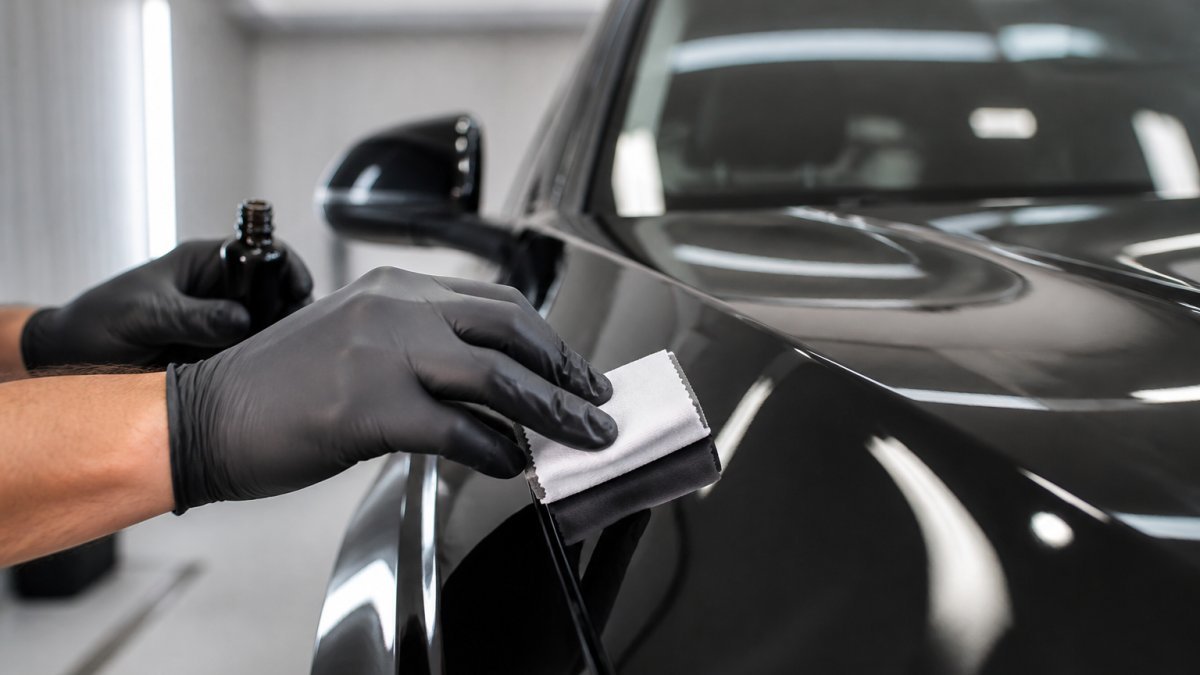
Ceramic coating is a liquid polymer applied to a vehicle’s clear coat, where it chemically bonds to the paint and forms a semi-permanent protective layer. For a new car, that layer locks in factory-fresh paint before environmental damage has a chance to take hold. Blue Ridge – Mobile Detailing applies ceramic coating for new car owners who want to protect the finish from day one rather than correct damage later.
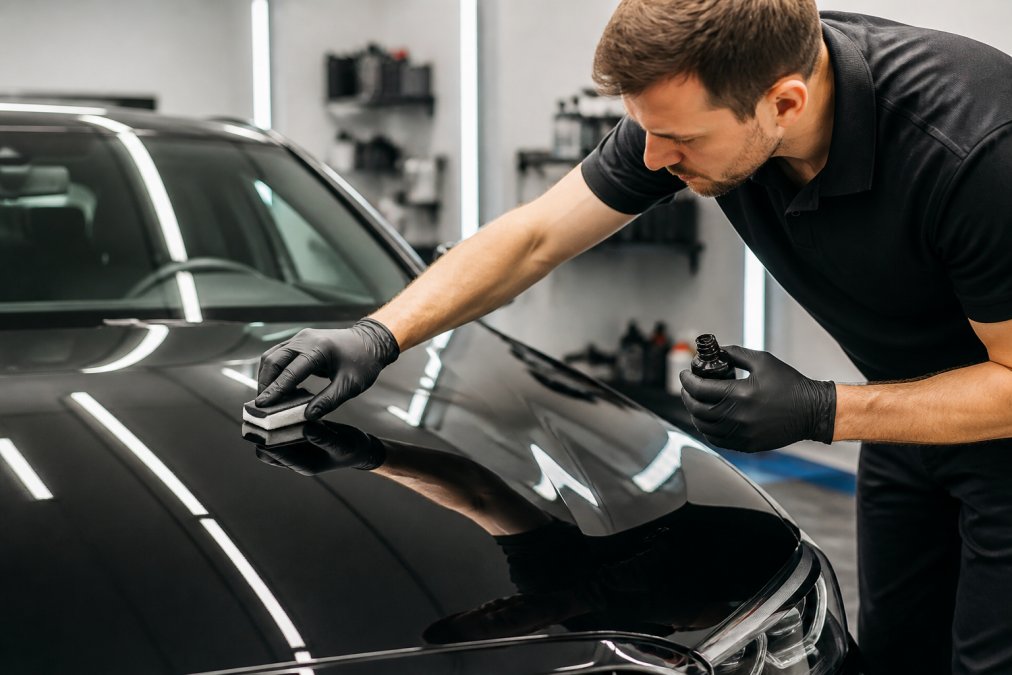
New paint is the ideal starting point for ceramic coating. You’re protecting an unblemished surface instead of paying to correct one first.
How Long Does Ceramic Coating Last on a New Car?
Ceramic coating on a new car typically lasts two to five years, depending on the product’s formulation, the number of layers applied, and how the vehicle is maintained. Professional-grade coatings with proper curing and aftercare sit at the upper end of that range.
Several factors decide where your coating lands:
- Coating quality: Consumer sprays measured in months versus professional-grade coatings measured in years
- Layers applied: A single layer protects; multiple layers add depth and longevity
- Curing conditions: Temperature and humidity during the first 24 to 48 hours matter
- Maintenance habits: How you wash the car determines how long the coating holds
Ceramic Coating vs Wax vs Sealant: What’s the Difference?
Wax and sealant sit on top of your paint as a sacrificial layer that wears away. Ceramic coating bonds to the clear coat itself, creating a harder, longer-lasting surface that resists chemicals, UV radiation, and contaminant buildup far better than either.
| Protection Type | Typical Durability | Bonding | Best For |
|---|---|---|---|
| Wax | Weeks | Sits on surface | Show cars, frequent reapplying |
| Sealant | Months | Sits on surface | Budget-conscious owners |
| Ceramic coating | Years | Bonds to clear coat | New cars, long-term protection |
If you’re comparing quotes, ask what surface preparation is included. A coating applied over contaminated or uncorrected paint will fail early, no matter how good the product is.
Top Benefits of Ceramic Coating for New Cars
The core benefits of ceramic coating for new cars come down to appearance, easier maintenance, and protection against the environment, but the reason each one matters more on a new car than an older one is the mechanism behind it. Here is what is actually happening at the surface level.
Enhanced Gloss and Depth
Factory clear coat is sprayed, not hand-polished, so it arrives with microscopic peaks and valleys that scatter light instead of reflecting it. A ceramic coating is a silica-based (SiO2) or graphene-infused liquid polymer that fills those valleys and cures into a thin, level film, typically measured in single-digit microns. The result is a smoother reflective plane, which reads as a wet, glass-like depth.
Easier Cleaning and Maintenance
Hydrophobicity is the headline, and the mechanism is surface energy. Bare clear coat has a relatively high surface energy, so water spreads and clings. A cured ceramic coating lowers surface energy, which raises the contact angle of water, meaning droplets bead and roll off, carrying loose dirt with them. In practice, this changes three things:
- Bird droppings, bug splatter, and tree sap release with a light wipe instead of aggressive scrubbing, which is where most swirl marks are introduced.
- Road film and brake dust rinse away more completely, so you can use a touchless or rinseless wash more often.
- Drying time drops, which reduces the chance of water-spot etching from hard water minerals left to bake on the paint.
Protection Against Environmental Damage
A coated surface resists UV radiation, acid rain, oxidation, and environmental fallout better than bare clear coat because the film sits between the paint and the contaminant. The chemistry matters here: acidic contaminants like bird droppings and insect remains etch into unprotected clear coat within hours, especially in direct sun. A cured coating slows that attack and gives you a wider window to remove the contaminant before damage reaches the paint.
Two honest caveats that most marketing pages skip:
- Scratch resistance is surface-level, not structural. Ceramic coating can reduce the severity of light wash-induced marring, but it is not a substitute for paint protection film (PPF) against rock chips, door dings, or key scratches. If chip protection is your priority, PPF goes on first and coating goes on top.
- Coating is not a force field. It buys you time and reduces the effort required to clean, but it does not make the car self-cleaning or damage-proof.
If you are comparing quotes, ask what surface preparation is included. A coating applied over contaminated or uncorrected paint will fail early, no matter how good the product is. On a new car, that usually means a decontamination wash and a light single-stage polish, not a full multi-stage correction.
A Fourth Benefit Competitors Rarely Quantify: Reduced Maintenance Cost
Beyond gloss and protection, a coated new car typically needs fewer washes, less frequent waxing or sealant reapplication, and less chemical product per wash. Over a multi-year ownership window, that offsets a meaningful share of the upfront coating cost, which is the piece most articles leave out when they tell you coating is “worth it.”
Ceramic Coating Maintenance Tips for New Car Owners
Ceramic coating maintenance tips start with one rule: wash the car correctly, or the coating degrades faster than it should. A coated vehicle still needs care; it just needs less of it.
- Two-bucket hand wash: One bucket for soap, one for rinse water, to keep grit off the paint
- pH-neutral shampoo: Avoid harsh detergents that strip the coating
- Microfiber only: Drying towels and wash mitts should never touch the ground
- Avoid automatic brush washes: They reintroduce swirl marks the coating was meant to prevent
- Annual inspection: A professional check catches contamination early
- Decontamination as needed: Iron and tar removers keep the surface free of bonded fallout
Is Ceramic Coating Worth It for a New Car?
For most new car owners, ceramic coating is worth it, but the honest answer depends on three things competitors rarely address: warranty implications, resale value, and whether you will actually maintain it. Here is the new-car-owner’s version of the math.
Does Ceramic Coating Affect Your Factory Paint Warranty?
This is the question new car owners ask most, and the answer is: a professionally applied coating does not void your factory paint warranty, but a poorly applied one can complicate a claim.
- A coating applied to intact factory paint does not, by itself, void the corrosion or paint-defect portions of your warranty.
- A coating applied over a defect you already had (a chip, a scratch, a panel that was repainted after delivery) can make it harder to prove the defect was pre-existing if you later file a claim.
- A coating that traps moisture or contaminant under the film, usually the result of skipped decontamination, can be cited by a dealer as the cause of a finish problem.
Some dealers sell their own ceramic coating packages and imply that using an outside installer voids coverage. That is generally not accurate, but dealer-applied packages often come with their own separate warranty terms, read those separately from the factory paint warranty.
How Ceramic Coating Factors Into Resale Value
Coating does not add a line item to your trade-in offer the way a sunroof or a third row does. What it does is protect the condition of the paint, and paint condition is one of the first things a buyer, dealer, or appraiser notices.
The financial case is strongest when:
- You keep the car five years or longer, so the coating has time to prevent the damage it is priced to prevent.
- The paint is a dark or premium color, where swirl marks and oxidation are most visible and most costly to correct.
- The car is parked outdoors or driven in a climate with heavy sun, salt, or industrial fallout.
- The vehicle is a luxury, performance, or specialty model, where buyers are more condition-sensitive.
The case is weaker when:
- You plan to trade in within two to three years, before condition differences have time to widen.
- The paint is already compromised, coating locks in the current state, it does not fix it.
- You will not follow basic maintenance, because a neglected coating degrades faster than a neglected wax job and can look worse than bare paint.
DIY vs. Professional: Where the Money Actually Goes
A DIY ceramic coating kit costs a fraction of a professional install, and for a garage-kept car with flawless paint, a careful owner can get a respectable result. The catch is that most of the professional price is not the bottle, it is the labor and environment around it:
- Decontamination (iron remover, tar remover, clay) to strip bonded fallout the factory or dealer left behind.
- Paint correction to remove any transport or dealer-prep marring before the coating locks it in.
- Controlled curing in a dust-free, temperature-stable space for the first 24 to 48 hours.
- A warranty backed by the installer, which a DIY kit does not provide.
Ceramic coating is worth it for a new car when you plan to keep it, the paint is in good condition, and you will maintain it. It is a condition-preservation tool, not a value-add line item, and it does not void your factory paint warranty when applied correctly.
Frequently Asked Questions
Is it good to put ceramic coating on a new car?
Yes, applying ceramic coating to a new car is an excellent way to preserve its factory finish. New cars have fresh paint that has not yet been exposed to environmental contaminants, so a coating can bond effectively and provide long-term protection. It enhances gloss, makes washing easier, and guards against UV rays, bird droppings, and road salts. Many owners choose to coat their new vehicle within the first few weeks of ownership to maximize the benefits.
Is there a downside to ceramic coating a car?
While ceramic coating offers many advantages, there are a few downsides to consider. Professional application can be expensive, and the coating requires proper maintenance to last. It does not make paint indestructible; it can still be scratched or chipped by rocks. If not applied correctly, it may not bond properly, leading to uneven protection. Also, some coatings require periodic inspections and may need reapplication after several years.
How long does ceramic coating last on a new car?
The lifespan of a ceramic coating depends on the product quality and how well it is maintained. Most professional-grade coatings last between two and five years, with some premium options lasting up to seven years or more. Proper washing techniques and avoiding harsh chemicals can extend the coating’s life. Regular maintenance washes and occasional inspections by a certified installer help ensure the coating performs as expected.
Does ceramic coating protect against rock chips?
Ceramic coating adds a layer of protection but is not a substitute for paint protection film (PPF). It can help reduce minor scratches and swirl marks, but it will not prevent rock chips from causing damage. For maximum protection against road debris, consider applying PPF to high-impact areas before applying ceramic coating. The coating enhances the film’s hydrophobic properties and makes cleaning easier.
What is the average cost to ceramic coat a car?
The cost of ceramic coating varies widely based on factors such as vehicle size, paint condition, and the type of coating used. For a new car, pricing often depends on whether paint correction is needed and the coating’s durability. We recommend contacting a professional installer for a personalized quote. At Blue Ridge Mobile Detailing, we provide transparent pricing tailored to your vehicle’s needs.
Protecting a new car’s finish is a decision you make once and live with for years. Blue Ridge – Mobile Detailing brings certified ceramic coating installation directly to your driveway, workplace, or fleet location, so your vehicle never sits in a shop. With mobile paint correction, professional ceramic coating, and specialized fleet detailing, we handle the surface preparation and curing that make protection last. Schedule online and let us protect your new car’s finish where you park it.