Quick Summary
Ceramic coating is worth it for an old car only when its paint is still healthy enough to protect. The coating adds gloss, repels water, eases washing and slows oxidation, but it cannot repair swirls, scratches or failing clear coat. Inspect the paint first and correct it where needed.
- Inspect paint under strong light before deciding whether coating makes sense.
- A coating cannot fix scratches, deep swirls, or peeling clear coat.
- Paint correction is usually needed first and permanently removes some clear coat.
- Failing clear coat or heavy oxidation calls for repair or repainting before coating.
- Professional application suits valuable older cars, while DIY risks damaging thin clear coat.
Table of Contents
- What Ceramic Coating Does for an Older Car’s Paint
- Ceramic Coating for Classic Cars vs. Newer Vehicles
- Paint Condition Decides Whether Coating Makes Sense
- Professional Ceramic Coating Cost and DIY Pricing Breakdown
- Disadvantages of Ceramic Coating on an Older Car
- Ceramic Coating vs. Wax and Sealants on Aged Paint
- Booking a Paint Assessment Before You Commit to Coating
- Frequently Asked Questions
What Ceramic Coating Does for an Older Car’s Paint
Last Updated: November 19, 2026
Ceramic coating is worth it for old cars when the paint underneath is still healthy enough to protect.
Owners of classic and older cars often ask this question. The short answer depends on what the paint looks like today, how long you plan to keep the car, and how much you want to spend on upkeep.
Most older cars share a few paint problems. The clear coat may be thin, faded, or chalky. Swirl marks from years of automatic washes may be visible in direct sun.
Ceramic coating does a few things well on aged paint:
- Adds gloss: The coating creates a reflective, glassy layer that can make tired paint look noticeably richer.
- Repels water and contaminants: Water beads and rolls off, which makes it harder for road grime, bird droppings, and tree sap to bond to the surface.
- Eases cleaning: Dirt releases more easily during a wash, so there is less rubbing against the paint.
- Resists UV and oxidation: The layer slows the chalking that comes from long-term sun exposure.
It does not stop rock chips, deep scratches, or failing clear coat. It also does not fix swirls.
Below, we cover when coating makes sense, what preparation involves, realistic costs for professional and DIY work, and the drawbacks owners should weigh before committing.
Ceramic Coating for Classic Cars vs. Newer Vehicles
A newer car and a classic car may both benefit from ceramic coating, but the reasons differ. A newer vehicle usually has factory paint in good condition, so the coating mainly preserves that finish and simplifies maintenance.
Owners of classic cars often want to keep original paint as intact as possible. Coating can help with that goal because it adds protection without the removal of material that repainting requires.
Newer vehicles present fewer surprises. The finish is usually uniform, and the clear coat is intact, so the process is more predictable. Owners of newer cars often care most about keeping the car looking fresh for years and reducing the time spent washing it.
The practical difference comes down to how much the owner expects the coating to do. On a newer car, it preserves.
Paint Condition Decides Whether Coating Makes Sense
Paint condition is the deciding factor. Before any coating, the surface should be inspected under good light, ideally in direct sun or with a strong inspection lamp. The goal is to determine whether the paint is healthy enough to benefit from a coating or whether it needs correction, repair, or repainting first.
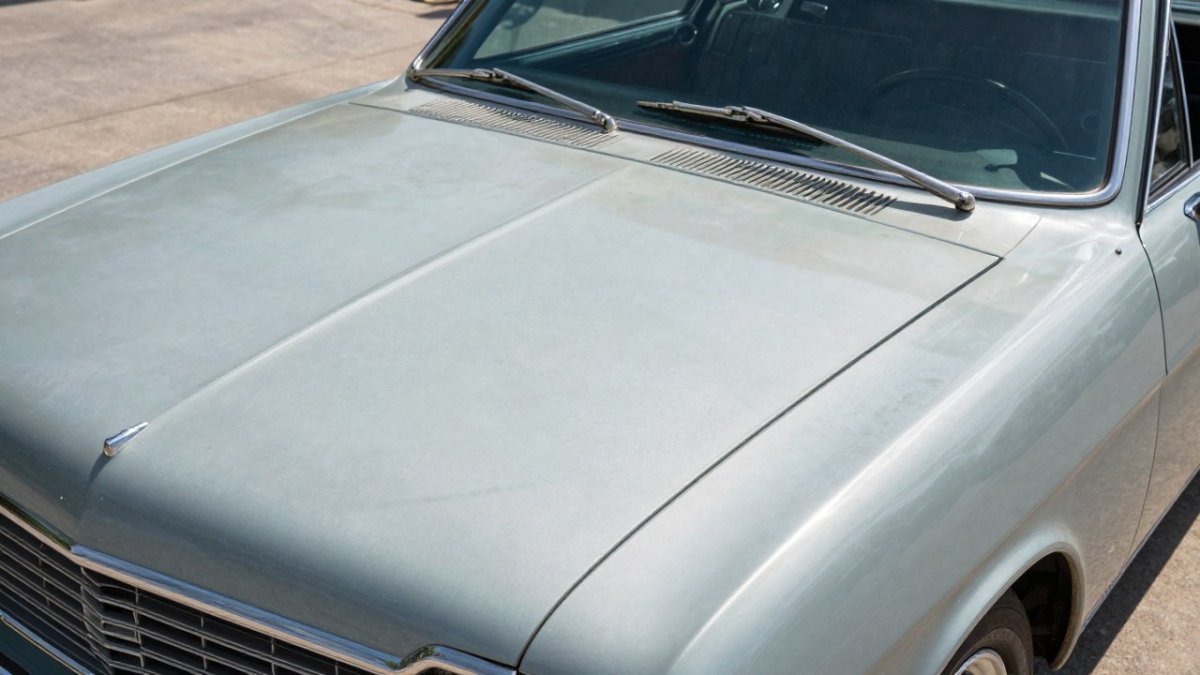
A useful way to think about it:
- Good condition: Clear coat is intact, with minor light swirls at most. Coating will likely deliver a clear visual improvement.
- Fair condition: Moderate swirls, light oxidation, or minor scratches. Correction followed by coating usually makes the best result.
- Poor condition: Peeling clear coat, deep scratches, heavy oxidation, or failing paint. Coating will not fix these problems and may highlight them. Repainting or panel repair is often the better path.
One common mistake is treating the coating as a cure. A coating is a finishing and protection layer, so it works best on a surface that is already in good shape. Owners who skip inspection often pay for a coating and then see the same defects through the new gloss.
Paint Correction Before Ceramic Coating
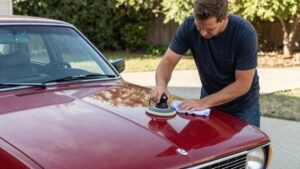
Paint correction removes a thin layer of clear coat to level out swirl marks, scratches, and oxidation. It is the step that makes a coating look its best on an older car. Without it, the coating locks in the imperfections.
Correction is a trade-off. Each pass removes a small amount of clear coat, so a skilled detailer uses the least aggressive method that delivers the result. On an older car with thin clear coat, this matters a great deal. Aggressive compounding can take a finish from fair to poor if it is pushed too far.
Preparation steps for an older car usually include:
- Wash the vehicle thoroughly and decontaminate the paint with a clay bar or chemical decontamination.
- Inspect the paint under strong light to map swirls, scratches, and oxidation.
- Test the paint thickness where possible to judge how much correction is safe.
- Perform the correction in stages, starting with the least aggressive pads and compounds.
- Wipe down panels with an isopropyl alcohol solution to remove polishing oils before coating.
- Apply the coating in a controlled environment and allow proper curing time.
Owners sometimes ask whether they can skip correction and coat the car anyway. On a newer car with light swirls, that can be acceptable. On an older car, skipping correction usually means paying for protection that preserves flaws.
Clear-Coat Failure, Single-Stage Paint and Repainted Panels
Not every older car has the same type of paint, and this affects whether coating is worth it.
Clear-coat failure appears as flaking, peeling, or a hazy, milky finish on the panels. If you are unsure whether you are seeing this or swirl marks, these seven signs can help you tell them apart.
Single-stage paint has color and gloss in one layer with no separate clear coat. Many older cars and some classics use it. Single-stage paint is more prone to oxidation and can be harder to restore.
Repainted panels can present a mismatch. A repainted door or hood may have a different clear coat age, thickness, or formulation than the original paint. The coating may look different on the new panel, and the difference can be noticeable after correction.
Professional Ceramic Coating Cost and DIY Pricing Breakdown
Pricing for ceramic coating varies widely. For a broader look at whether the price is justified for your situation, see deciding whether coating is worth the cost.
Professional application typically includes the wash, decontamination, inspection, any paint correction, and the coating itself. Current figures for mobile installation are covered in this mobile ceramic coating cost guide. Because correction is labor-intensive, the total cost rises sharply on cars with heavy swirls or oxidation.
DIY application is less expensive in materials but requires time, tools, and patience. The coating product is only part of the cost. Owners also need a polisher, pads, compound and polish, inspection lighting, IPA prep solution, microfiber towels, and a suitable workspace.
A practical way to compare the two:
| Factor | Professional Application | DIY Application |
|---|---|---|
| Upfront cost | Higher, includes labor and expertise | Lower, product and tools only |
| Correction quality | Usually consistent, based on training | Depends on owner skill |
| Time required | Handled by the detailer | Often a full weekend or longer |
| Risk to paint | Lower with experienced application | Higher on older, thin clear coat |
| Warranty or guarantee | Varies by provider | Not applicable |
For many owners of older cars, professional application makes sense because the paint is the most valuable part of the vehicle and the margin for error is small.
Disadvantages of Ceramic Coating on an Older Car
The drawbacks are real and should be weighed before committing.
- It cannot fix existing damage. Scratches, swirls, and clear-coat failure remain visible under the coating.
- Correction removes material. Paint correction is necessary on many older cars, but it thins the clear coat permanently.
- Application is demanding. Coatings require clean conditions, careful preparation, and proper curing. Poor application can leave streaks or high spots.
- Repairs become harder. A coated panel may need special preparation before it can be repainted or re-coated.
- It is not permanent. Coatings wear down over time, and maintenance is still needed.
- Cost can outweigh value on low-value cars. On a car worth little, the coating cost may exceed the benefit.
Owners should also understand that a coating does not provide the same impact protection as paint protection film. It helps against chemical and environmental contaminants but will not stop a stone chip.
Ceramic Coating vs. Wax and Sealants on Aged Paint
Wax, paint sealants, and ceramic coatings all add a protective layer, but they behave differently on aged paint. The comparison below reflects general characteristics rather than guaranteed results.
| Feature | Carnauba Wax | Paint Sealant | Ceramic Coating |
|---|---|---|---|
| Typical durability | Weeks to a few months | Several months | Often a year or longer, with proper care |
| Gloss | Warm, deep shine | Sharp, reflective shine | Glassy, highly reflective shine |
| Water behavior | Beads initially, then fades | Strong hydrophobic effect | Strong hydrophobic effect |
| Maintenance | Reapply frequently | Reapply periodically | Reapply less often, use pH-neutral products |
| Application | Simple, DIY-friendly | Moderate difficulty | Demanding, best done professionally |
| Suitability for aged paint | Good for maintenance, limited protection | Good for protection, limited correction | Good for protection and gloss after correction |
On aged paint, wax is easy to apply and can make a car look good for a short time, but it needs frequent reapplication and does little for oxidation. Sealants last longer and add protection, which can suit owners who want a middle path. Ceramic coating offers the longest-lasting protection and the most gloss, but it requires the most preparation and skill. The right choice depends on the paint’s condition, the owner’s time, and the budget.
Booking a Paint Assessment Before You Commit to Coating
The most useful next step for most older-car owners is an inspection before any decision. A paint assessment shows whether the finish is suitable for coating, what correction it may need, and whether the owner should consider repair or repainting first.
Bring questions about the car’s history, any previous paint work, and how the owner plans to use and store the vehicle. Those details help determine whether coating is worth the cost.
Ceramic coating is worth it for an older car when the paint is healthy enough to benefit from gloss, protection, and easier cleaning. Blue Ridge – Mobile Detailing can assess your paint and recommend whether correction, coating, or another approach makes the most sense for your vehicle. Contact us to schedule a paint assessment and get a clear answer for your car.
Frequently Asked Questions
Can you put ceramic coating on an older car?
Yes, older cars can be coated, but the paint has to be in workable condition first. Ceramic coating bonds to the clear coat or factory paint surface, so it only protects what is there. If the paint is oxidized, swirled or peeling, the coating will lock in those flaws. A paint assessment and any needed paint correction should come before the coating. Single-stage paint and repainted panels also need a check, since their finish can differ from factory clear coat and may respond differently to preparation and curing.
What are the downsides of ceramic coating on an old car?
The main downsides are cost, preparation time and the fact that the coating does not fix damage. Older paint often needs paint correction before application, which adds to the total price. Ceramic coating also cannot protect against rock chips, deep scratches or clear-coat failure. Application mistakes are hard to undo, and removing the coating later requires machine polishing that can thin the paint. Owners who plan to sell soon may not recover the cost in resale value.
How much does it cost to ceramic coat an older car?
Pricing depends on the vehicle size, paint condition, how much correction is needed and the coating product used. Blue Ridge Mobile Detailing does not publish fixed prices for this service because each older vehicle needs a different amount of preparation. Contact Blue Ridge Mobile Detailing through its website for a quote based on your car’s paint condition. Requesting an in-person assessment first helps you see whether correction is needed before you pay for the coating itself.
Is ceramic coating better than wax for an older car?
Ceramic coating generally lasts longer and resists water, dirt and chemical exposure better than traditional carnauba wax or synthetic sealants. Wax typically needs reapplication every few months, while a professionally applied coating is designed to last years. However, coating a neglected finish without correcting it first will not deliver better gloss than a well-maintained wax job. For a car in good condition that you plan to keep long term, coating is often the stronger choice. For a driver who wants a low-cost, short-term shine, wax remains a reasonable option.