Quick Summary
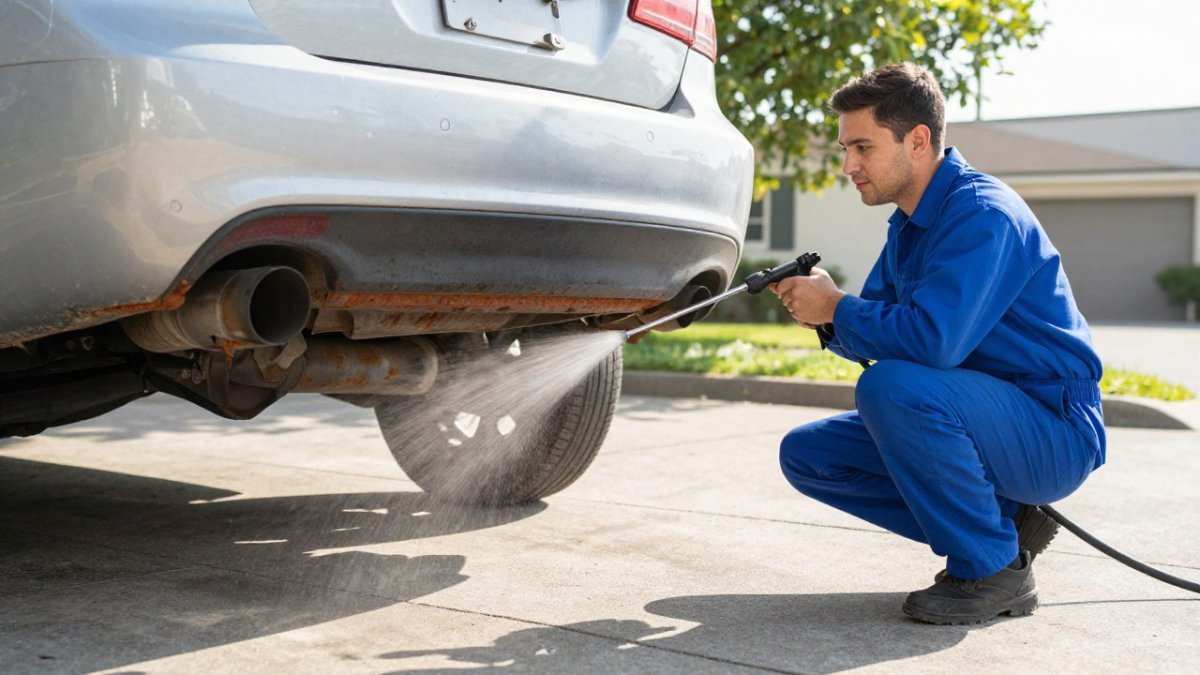
Undercarriage spray is worth the cost mainly for vehicles driven on salted roads, older cars, or those kept for many years. It adds a protective layer on top of factory corrosion protection, so its value depends on your climate and how old the vehicle is. For a new car in a dry region, the added benefit is smaller.
- Factory galvanizing and sealers do most of the corrosion protection on a new vehicle.
- Spray matters most where seams, edges, and stone chips expose bare metal to moisture.
- Oil and lanolin sprays usually need annual reapplication in heavy-salt regions.
- Rubberized coatings last years but can trap moisture if sprayed over existing rust.
- Compare lifetime treatment cost against a body-shop rust repair estimate before booking.
Table of Contents
- What Undercarriage Spray Does and Where It Fits
- How Factory Corrosion Protection Compares
- Car Undercoating Cost: Pricing Breakdown by Vehicle Type
- Does Underbody Coating Work Against Road Salt and Moisture?
- How Long Does Undercoating Last and When to Reapply
- Oil-Based, Lanolin, and Fluid Film Undercoating Compared
- Your Break-Even Check and Next Step Before You Book
- Frequently Asked Questions
What Undercarriage Spray Does and Where It Fits
Undercarriage spray is a protective coating applied to the underside of a vehicle, including the frame, rocker panels, and the inside of door panels. Its job is to create a barrier between metal and the road salt, moisture, and debris that accelerate rust. Many owners in colder states apply it each fall, but the real question is whether the protection justifies the price for their specific vehicle.
Undercarriage spray is not the same as factory corrosion protection. Automakers apply galvanizing, e-coating, and sealers at the plant, and those layers do most of the work on a new vehicle. A spray adds a secondary layer on top of that, and its value depends on how much salt your car sees and how old it is.
Insurance Institute for Highway Safety overview of vehicle corrosion
How Factory Corrosion Protection Compares
Modern vehicles ship with substantial corrosion protection. Most manufacturers galvanize body panels, seal seams, and coat the underbody during assembly. Many also back this with a multi-year manufacturer warranty against perforation rust.
Where factory protection falls short is at seams, edges, and areas where stone chips expose bare metal. Moisture collects in these spots and starts corrosion from the inside. This is why an aftermarket spray tends to matter most on older vehicles or on any car that lives in a salt-heavy climate. On a new car in a dry region, the added benefit is smaller.
Car Undercoating Cost: Pricing Breakdown by Vehicle Type
Pricing depends on quantity, vehicle size, and how much prep work is needed. Pricing depends on quantity, vehicle size, and how much preparation is needed. Request a written quote for current pricing.
A common mistake is treating undercoating as a one-time purchase. Plan for periodic reapplication, since the total cost over the vehicle’s life is what matters for the break-even decision.
Does Underbody Coating Work Against Road Salt and Moisture?
A properly applied coating can reduce direct contact between road salt and bare metal, which is why it is most valuable in areas where roads are salted through winter. To learn how to recognize corrosion signs so you know when protection is needed, see how to spot salt corrosion signs on car paint.
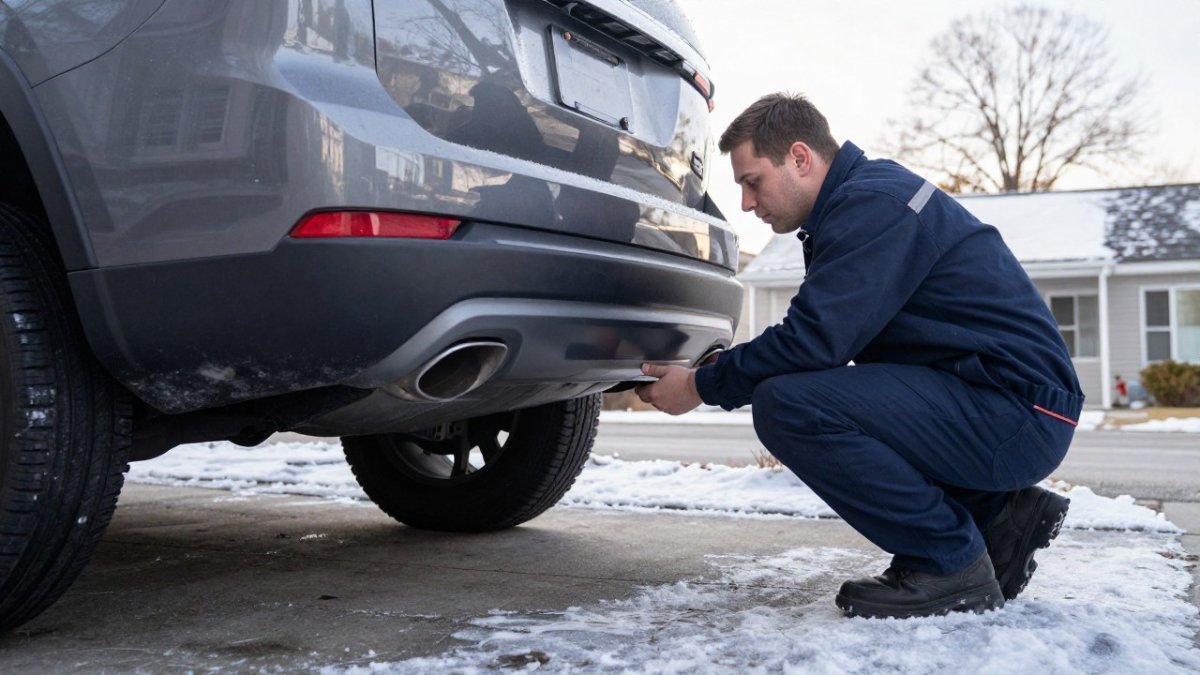
The limitation is application quality. A coating that is sprayed over dirt, existing rust, or wet surfaces can trap moisture underneath and make corrosion worse. Prep matters as much as the product. For a broader look at salt-protection strategy, read preventing salt damage on vehicles.
How Long Does Undercoating Last and When to Reapply
Coating lifespan depends on the product type, road conditions, and how much gravel and salt hit the underbody. Many owners reapply once a year in heavy-salt regions, while others can go longer in milder climates. Inspect the underbody each fall and reapply where the coating shows wear, thinning, or chips.
Watch out: skipping inspection and assuming the coating is still working is the most common reason owners discover rust under a failed layer.
Oil-Based, Lanolin, and Fluid Film Undercoating Compared
The query asks specifically about undercarriage spray, and that word covers two very different product families that behave nothing alike. Get the family right before you compare brands.
Family 1: Annual spray products (oil-based, lanolin, and fluid-film types). These are thin, creeping coatings applied as a mist that wicks into seams, cavities, and spot welds. They are designed to be reapplied, typically once a year in heavy-salt regions and every other year in milder ones. They displace water on contact, which is why they work on vehicles that already show light surface rust. Their weakness is durability: road spray, gravel, and car-wash undercarriage jets wear them away, and some products drip or attract dust in the first weeks after application. They are the right choice for older vehicles, frame areas, and anyone who wants a coating that can be refreshed rather than removed.
Family 2: Permanent rubberized and asphalt-based coatings. These are thick, cured films that bond to the underbody and resist stone chips. They last years rather than months, but they are hard to remove, can crack at flex points, and, critically, can hide existing rust while trapping moisture behind the film if applied over a damp or rusty surface. They suit clean, rust-free underbodies on vehicles kept long-term, and they are a poor match for a vehicle that already has seam rust.
What they are not. None of these sprays is the same as factory corrosion protection, which is applied at the plant as galvanizing, e-coating, and seam sealer and is backed by a multi-year perforation warranty. A spray is a secondary layer on top of that. Nor are they the same as electronic rust-inhibitor devices, which have little independent evidence of effectiveness and should not be counted as a substitute for a physical barrier coating.
| Coating Type | How It Works | Reapplication | Strengths | Trade-Offs | Best For |
|---|---|---|---|---|---|
| Oil-based spray | Thin film that creeps into seams and displaces water | Roughly annual in salt regions | Low cost, reaches cavities, works over light surface rust | Can drip and attract dirt; wears off | Older vehicles, frame areas, budget-conscious owners |
| Lanolin-based spray | Waxy film that self-heals and sheds water | Roughly annual to every other year | Self-healing, water-displacing, good in cold wet climates | Can soften in heat; needs clean prep | Cold, wet, salted climates |
| Fluid-film type | Penetrating thin film that clings to metal | Periodic, often annual | Penetrates hard-to-reach cavities, long-lasting feel | Needs reapplication; can migrate | Cavities, seams, hard-to-reach areas |
| Rubberized / asphalt | Thick cured film bonded to the underbody | Years, not months | Impact-resistant, durable | Hard to remove, can crack, can trap moisture over rust | Clean, rust-free underbodies kept long-term |
How to choose. Match the product to the vehicle’s condition, not to the marketing. A rust-free newer vehicle kept for a decade can justify a durable rubberized coating. A ten-year-old vehicle with seam rust, or one you plan to keep only a few more years, is usually better served by an annual oil or lanolin spray that can be refreshed and that does not seal moisture against active corrosion. If you are unsure, ask the installer which family they use, why it suits your vehicle, and what the reapplication interval is in writing.
Watch out: a thick rubberized coating sprayed over dirt, damp metal, or existing rust is the most common way owners end up with worse corrosion than they started with, the film hides the problem until it has spread.
Your Break-Even Check and Next Step Before You Book
Most articles answer “is undercarriage spray worth the cost” with a shrug and a list of pros and cons. The useful answer is arithmetic: compare what you will spend on treatment over your ownership period against the expected cost of rust repair if you skip it. You can run that comparison in about ten minutes with four inputs.
Input 1: Your treatment cost over the ownership period. Multiply the per-application quote by the number of reapplications you expect. A one-time rubberized coating and an annual oil or lanolin spray have very different lifetime costs even when the first invoice looks similar.
Input 2: Your salt and moisture exposure. Count the months each year your roads are salted, add coastal or flood-prone exposure, and note whether the vehicle is garage-kept or parked outside. A vehicle driven daily through five months of salted roads carries far more corrosion risk than a garaged weekend car in a mild climate.
Input 3: Your vehicle’s current condition and age. A new vehicle with intact factory galvanizing and e-coating has little bare metal for salt to attack, so the spray’s marginal benefit is small. A vehicle past its perforation warranty, or one with stone chips and seam rust already starting, has exposed metal where a spray does real work.
Input 4: Expected rust-repair cost if you skip treatment. Rust repair is priced by the panel and the labor hours, not by the amount of coating used. Get one body-shop estimate for the areas most at risk on your vehicle so you are comparing real numbers, not a guess.
The decision rule. If lifetime treatment cost is well below your realistic repair estimate and your exposure inputs are high (salted roads, older vehicle, long planned ownership), the spray is likely worth it.
Inspection checklist before you pay. Walk the underbody with a flashlight and check these before booking:
- Look for bubbling paint, orange staining at seams, and soft or flaking metal along rockers, floor pans, and the frame. Active rust must be treated, not coated over.
- Confirm the installer will clean and degrease the underbody and let it dry before spraying. Coating over dirt or moisture traps corrosion.
- Verify drainage holes and weep channels stay open. A coating that plugs a drain turns a floor pan into a bathtub.
- Ask how fasteners, brake lines, fuel lines, and exhaust components are masked. Overspray on rubber bushings and exhaust parts causes problems later.
- Ask what surface prep and product the quote includes, and get the reapplication interval in writing.
Warranty and resale checks. Read the vehicle’s corrosion warranty terms before you spray, some manufacturer perforation warranties exclude or are voided by aftermarket coatings, and you want that in writing from the dealer, not assumed.
Regional and seasonal timing. Apply in late summer or early fall, before the first salt spread, so the coating cures before exposure. In heavy-salt states, plan on annual inspection and reapplication of oil or lanolin products; in coastal or wet climates, inspect every spring as well. Garage-kept vehicles in dry regions can often stretch the interval.
Before you book, confirm the underbody is in reasonable condition with no active rust that needs treatment first, then request a written quote that itemizes prep, product, and reapplication intervals. Blue Ridge Mobile Detailing can help you compare undercarriage options with a quote before you decide. Get a mobile undercarriage coating quote before winter starts.
Frequently Asked Questions
Is undercarriage coating worth it?
It depends mostly on where you drive and how long you plan to keep the vehicle. In areas where roads are salted in winter, a protective coating can slow surface rust on the frame, rocker panels, and exposed brake lines. Owners who keep a vehicle for many years and drive it in wet or salty conditions usually get the most value. Owners of newer vehicles in mild climates may find that factory corrosion protection already covers most of their needs, so the added cost is harder to justify.
How long does undercarriage spray last?
Lifespan varies by product type, application quality, and driving conditions. Oil-based and lanolin coatings typically need reapplication more often than harder rubberized coatings, and they can wash off faster on roads that are salted heavily. Regular inspection each season helps you spot thinning areas or chips. Reapplication timing should follow what you see on the underbody rather than a fixed date, since a coating in good condition after two winters may need little more than a touch-up.
Does spraying the undercarriage of a car help?
Spraying the undercarriage can help slow rust when the coating is applied to clean, dry metal and covers the areas that trap moisture and salt, such as seams, cross members, and the inside of rocker panels. It does not stop corrosion that has already started, and a coating applied over existing rust can trap moisture underneath. Drainage holes should remain open so water does not pool inside body panels. Application quality is the biggest factor in whether the spray helps.
How much does it cost to spray the undercarriage of a car?
Pricing depends on the vehicle size, the product used, the amount of preparation required, and whether the job includes inspection and cleaning. Blue Ridge Mobile Detailing does not publish a fixed price list for this service, so pricing depends on your vehicle and what you need done. Visit the Blue Ridge Mobile Detailing website or request a quote to get current pricing for your vehicle and location before deciding whether the cost fits your budget.