
Last Updated: November 1, 2026
Quick Summary
Ceramic coating is worth the cost when you keep the vehicle four or more years, park it outdoors, and wash it regularly, since ceramic coating cost spread over long ownership is far less per year than a short one. If you sell within two years, garage the car, or rarely wash it, put the money elsewhere.
- A coating is a sacrificial layer that buys easier cleaning and slower paint degradation, not armor against chips or scratches.
- Compare protection options on cost per year of ownership, not on the invoice price alone.
- DIY ceramic kits save money but lock in existing swirls and risk streaks from dust and humidity during cure.
- Watch for water that stops beading and paint that feels rough after washing as signals the coating needs decontamination.
- The cheapest quote usually reflects skipped paint correction, not a bargain.
Table of Contents
- How to Judge Whether Ceramic Coating Is Worth the Cost
- What Ceramic Coating Protects Against and What It Cannot Stop
- Ceramic Coating Cost: What Drives the Price and How to Read a Quote
- Professional vs. DIY Ceramic Coating: Where the Money Goes
- How Long Does Ceramic Coating Last in Real Conditions
- Ceramic Coating Maintenance: The Hidden Cost of Ownership
- How to Evaluate an Installer Before You Book
- Schedule Your Mobile Ceramic Coating Assessment
- Frequently Asked Questions
How to Judge Whether Ceramic Coating Is Worth the Cost
Whether ceramic coating is worth the cost depends on how long you keep the vehicle, how you store it, and how much you value easier washing.
Here is the uncomfortable part most quotes skip. A coating is a sacrificial layer, not armor. It buys you easier cleaning and slower paint degradation. It does not stop a shopping cart or a gravel truck.
That distinction decides whether the money is well spent.
Run the Total-Cost-of-Ownership Math, Not the Sticker Price
Most comparisons stop at the invoice. A fair judgment compares every protection option over the same ownership window, including what you spend to keep it working. The table below is a decision framework, not a price list, plug in your own quotes and wash habits.
| Protection Option | Upfront Cost | Recurring Cost | Expected Service Life | Best Fit |
|---|---|---|---|---|
| Carnauba wax | Lowest | Highest (frequent reapplication) | Weeks to a few months | Show cars, short ownership |
| Synthetic sealant | Low to moderate | Moderate | Several months | Budget-conscious daily drivers |
| DIY ceramic kit | Moderate | Low product cost, high time cost | 1-3 years with care | Second vehicles, tight budgets |
| Professional ceramic coating | Highest | Low, plus periodic maintenance | Several years | Long-hold daily drivers, luxury, fleet |
| Paint protection film | Highest per panel | Low | Several years | High-impact panels, chip-prone roads |
Three variables move the answer more than anything else:
- Ownership period. A coating spread over four or more years costs far less per year than one sold within twelve months. If you trade every two years, the math rarely favors a premium install.
- Annual mileage and exposure. A commuter parked outside under trees and driven through road salt loads the coating with contaminants faster than a garaged weekend car. Higher exposure means more maintenance spend, but also more benefit from easier washing.
- Your wash behavior. Owners who wash regularly capture the cleaning-time savings that justify the coating. Owners who wash twice a year pay for protection they never use.
A Simple Break-Even Framework
You do not need a spreadsheet to make the call. Answer four questions honestly:
- How many years will you keep the vehicle? Under two years, the per-year cost of a professional coating is hard to justify. Four or more years, the math tilts toward coating.
- Where does it park? Outdoors and uncovered raises the value of UV, contaminant, and water-spot resistance. A climate-controlled garage lowers it.
- What is the paint worth to you? On a luxury, performance, or classic finish, the cost of correction and coating is small relative to paint repair. On a high-mileage commuter, the return is mostly convenience.
- Will you maintain it? A coating that is never decontaminated clogs and underperforms. If you will not commit to periodic maintenance, budget for a sealant instead.
If the answers point to long ownership, outdoor storage, and a vehicle you care about, the coating is likely worth it. If they point to short ownership, garage storage, and infrequent washing, put the money elsewhere.
Compare options on cost per year of ownership, not on the invoice. A professional coating that lasts several years can cost less per year than repeated wax or sealant services, but only if you keep the car long enough and maintain the coating.
For realistic benchmarks to compare against the number you were given, see our breakdown of mobile ceramic coating installation cost.
What Ceramic Coating Protects Against and What It Cannot Stop
Ceramic coating is a liquid polymer applied to automotive paint that cures into a semi-permanent, hydrophobic layer. That layer helps shed water, resist chemical staining, and slow oxidation from UV exposure. It bonds to the clear coat rather than sitting on top like wax.
In practice, this means bird droppings, tree sap, road grime, and water spots release far more easily. Washing takes less time and less pressure. Gloss and depth read sharper because the surface is level and slick.
The Limits: Scratches, Rock Chips, and Deep Damage
What a coating cannot do matters just as much as what it can. It will not prevent rock chips.
If you want physical barrier protection against chips, that is paint protection film, a different product with a different price. Many owners combine the two, film first on high-impact panels, coating over the top.
Watch out: expecting a coating to keep your paint swirl-free is the most common source of buyer regret. Swirl marks come from contact, and only careful washing prevents them.
Ceramic Coating Cost: What Drives the Price and How to Read a Quote
Ceramic coating cost varies because the work involved varies. Labor dominates.
When you read a quote, ask three questions: How many correction stages are included? What surface prep is performed before application? What exactly does the warranty cover, and who honors it? A low quote that skips paint correction is a coating over flawed paint.
For realistic benchmarks to compare against the number you were given, see our breakdown of mobile ceramic coating installation cost.
Professional vs. DIY Ceramic Coating: Where the Money Goes
DIY coating kits and professional installs differ mainly in preparation and the application environment.
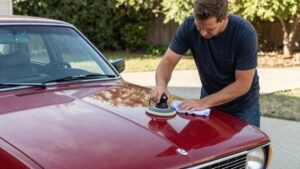
DIY work happens in a driveway or garage. Dust, pollen, and humidity during cure cause streaks, high spots, and uneven gloss. Without machine correction, the coating locks in the swirls already in the paint.
Where DIY wins: a second vehicle, a tight budget, and a willingness to accept imperfections. Where professional wins: luxury, performance, classic, and exotic finishes where a high spot is not acceptable.
How Long Does Ceramic Coating Last in Real Conditions
How long does ceramic coating last? Manufacturers rate quality coatings for several years, but real-world lifespan depends on storage, climate, washing habits, and maintenance. A garaged car washed gently with proper products tends to sit toward the upper end of that range.
The coating does not fail all at once. It degrades gradually. Water beading weakens, the surface feels less slick, and contaminants cling again. That is your signal for decontamination and a maintenance service.
What Actually Shortens or Extends Coating Life
Instead of trusting a single durability number, judge how your conditions map to the variables below.
- Climate and UV load. Intense sun and high heat accelerate oxidation and degrade the hydrophobic layer faster than mild, shaded conditions.
- Parking environment. A garage shields the coating from UV, tree sap, bird droppings, and industrial fallout. A car parked under trees or near a highway collects contaminants that clog the surface and shorten effective life.
- Mileage and road exposure. High annual mileage means more road grime, tar, and bug residue. Winter road salt and brine are especially hard on coatings and require more frequent decontamination.
- Washing habits. Gentle hand washing with a coating-safe shampoo preserves the layer. Automatic brush washes can introduce swirls and abrasion.
- Product tier and number of layers. Entry-level coatings and single-layer applications generally fall at the low end of the range. Multi-layer professional coatings from established brands sit at the high end.
- Maintenance discipline. Periodic decontamination and an annual inspection keep performance near the rated lifespan. Neglect lets minerals and grime bond, and performance drops well before the coating is technically gone.
How to Tell Your Coating Is Nearing the End
Watch for these signals rather than counting months:
- Water stops beading and starts sheeting flat.
- The paint feels rougher after a wash instead of slick.
- Dirt and water spots return quickly after cleaning.
- Gloss looks flatter in direct sunlight.
When you see two or more of these, schedule a decontamination wash and inspection. In many cases a maintenance service restores performance without a full reapplication.
Do not judge coating life by a single bad week. Pollen season, road salt, and industrial fallout can temporarily mask performance. Clean and decontaminate before concluding the coating has failed.
To judge whether a specific product will hold up for your driving conditions, read our deeper look at how long ceramic coating lasts.
Ceramic Coating Maintenance: The Hidden Cost of Ownership
A coating reduces maintenance work but does not eliminate it. Plan on periodic decontamination washes and a coating-safe shampoo.
Automatic brush washes can introduce swirls the coating is meant to help you avoid.
The real hidden cost is time, not money. Owners who wash weekly spend far less effort on a coated car than an uncoated one.
Before you commit, read our guide to ceramic coating maintenance so you know the upkeep schedule you are signing up for.
How to Evaluate an Installer Before You Book
Ask about certification, correction process, cure environment, and warranty terms in writing.
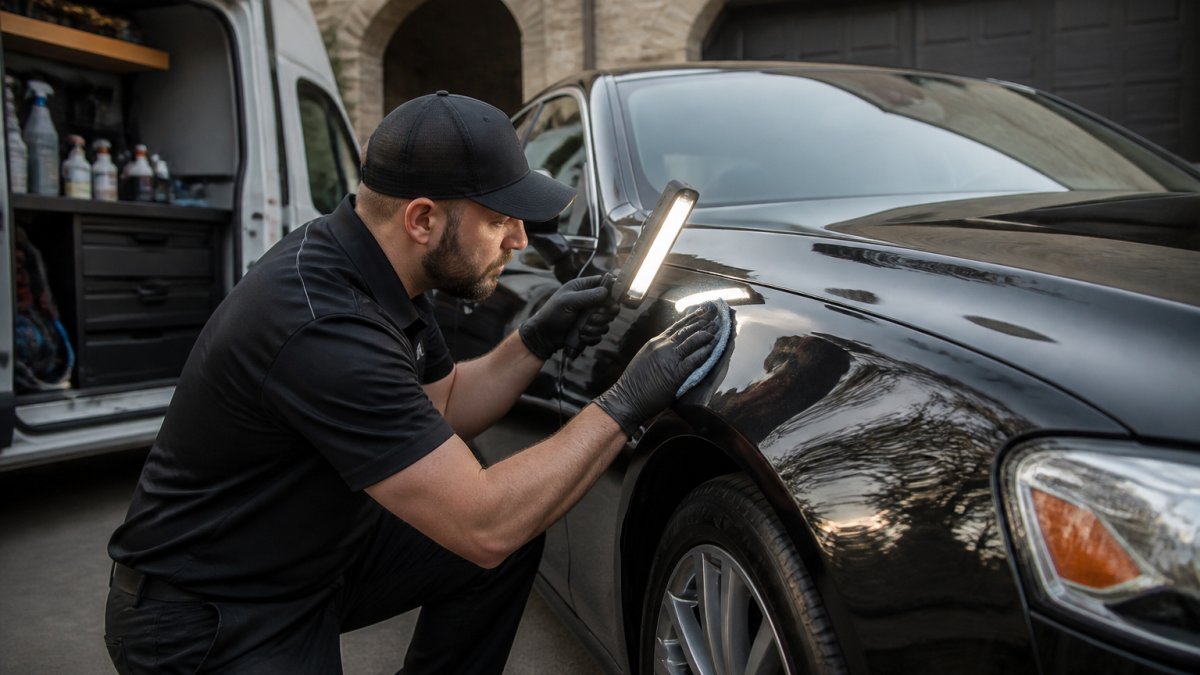
Use this checklist before you hand over the keys:
- Ask which coating brand and tier they install, and whether they hold any certification for it
- Confirm how many paint correction stages are included and whether they are machine-applied
- [ ]
- Ask where the vehicle cures and how dust and humidity are controlled
- [ ]
- Confirm whether the installer is mobile and how they manage water and power on site
A common mistake is choosing on price alone. The cheapest quote usually reflects skipped correction, not a bargain.
For a full set of vetting criteria, read our guide on finding certified detailers.
| Decision Factor | Coating Worth It | Coating Not Worth It |
|---|---|---|
| Ownership period | Keeping 4+ years | Selling within a year |
| Storage | Parked outdoors | Garage kept, low mileage |
| Paint condition | Willing to correct first | Expecting coating to fix damage |
| Maintenance | Will wash regularly | Rarely washes the car |
| Vehicle type | Daily driver, fleet, luxury | Beater, lease return |
Schedule Your Mobile Ceramic Coating Assessment
The math comes down to one question: will you keep this vehicle long enough to enjoy easier washes and slower paint aging? If yes, a coating may be a sound investment.
Blue Ridge – Mobile Detailing brings ceramic coating installation and paint correction to your driveway, dock, or hangar across the Eastern Panhandle, Shenandoah Valley, and DMV regions.
Get started with Blue Ridge – Mobile Detailing and protect your finish with a coating applied right the first time. Schedule your ceramic coating service online today.
Frequently Asked Questions
Does ceramic coating prevent scratches and rock chips?
A ceramic coating adds a thin sacrificial layer that helps with light swirls from washing, but it will not stop rock chips or deep scratches. The coating is measured in microns and cannot absorb the impact of road debris. For impact protection, a paint protection film is the better choice. Think of ceramic coating as chemical and UV protection with easier cleaning, not as armor.
Is professional ceramic coating worth it compared with a DIY kit?
Professional vs. DIY ceramic coating comes down to surface preparation and coating quality. A DIY kit can cost a fraction of a professional job, but it usually skips the paint correction step that removes swirls and oxidation before application. Without that prep, the coating locks in the flaws.
What maintenance does a ceramic-coated car need?
Ceramic coating maintenance is simpler than waxing but not zero-effort. Remove bird droppings and tree sap promptly, since they can etch the coating. Periodic decontamination washes help keep water beading strong. Skipping maintenance is one of the fastest ways to shorten how long ceramic coating lasts.
Can I wax over ceramic coating?
You can, but there is little benefit. Wax sits on top of the coating and can mask its hydrophobic properties, and it wears off faster than the coating itself. If you want extra gloss or protection between services, use a coating-specific topper or spray sealant instead. Save the wax for uncoated paint or a paint sealant comparison down the road.