Last Updated: October 30, 2026
Quick Summary
The best paint protection for new cars depends on your risk: paint protection film is the only option that physically absorbs rock chips and road debris, while ceramic coating delivers years of chemical resistance, gloss and easier washing. Many owners combine both, putting film on high-impact front panels and coating everywhere else.
- Wax lasts weeks to a few months and sealant several months, but neither stops a rock chip.
- Professional ceramic coating runs $600-$1,500 and typically lasts five to seven years.
- Partial-front PPF costs $1,200-$2,500 installed and covers bumper, partial hood, fenders and mirrors.
- Paint correction and decontamination must come first, since film and coating perform poorly over contaminated paint.
- Most rock-chip damage concentrates on the front bumper, leading 18-24 inches of hood, fenders, mirrors and A-pillars.
Table of Contents
- Why New Car Paint Needs Protection From Day One
- The Four Types of Paint Protection Compared
- PPF vs Ceramic Coating: Which Handles Rock Chips and Scratches Better
- How Long Does Ceramic Coating Last, and What Shortens Its Life
- New Car Paint Protection Cost: What Drives the Price
- Coverage Maps: Partial vs Full-Vehicle Protection
- Ceramic Coating Maintenance: What Ownership Actually Requires
- Dealer-Installed Protection and New-Car Prep: What to Check
- Frequently Asked Questions
Why New Car Paint Needs Protection From Day One
Factory clear coat is thinner than most owners realize, and it starts collecting damage before the first oil change. If you are weighing the best paint protection for new cars, the clock starts at the dealer lot: rail dust, bird droppings, UV exposure, and automated car washes all attack fresh paint. Paint protection is any treatment that creates a barrier over the clear coat to slow that decay, and the earlier you apply it, the less correction work you pay for later.
The Four Types of Paint Protection Compared
Four categories cover nearly every option on the market, differing mainly in durability and what they defend against. To browse the paint protection options available to buy, see the product page. Match the product to your parking situation and driving habits rather than to a marketing label.
| Type | Typical Durability | Best Against | Upkeep |
|---|---|---|---|
| Car wax | Weeks to a few months | UV, light contamination | Reapply often |
| Paint sealant | Several months | Water, chemicals, UV | Reapply 2-3x yearly |
| Ceramic coating | Years | UV, chemicals, swirl marks, water spotting | Periodic maintenance wash |
| Paint protection film (PPF) | Many years | Rock chips, scratches, road debris | Wash and inspect |
Waxes and Sealants: The Short-Term Options
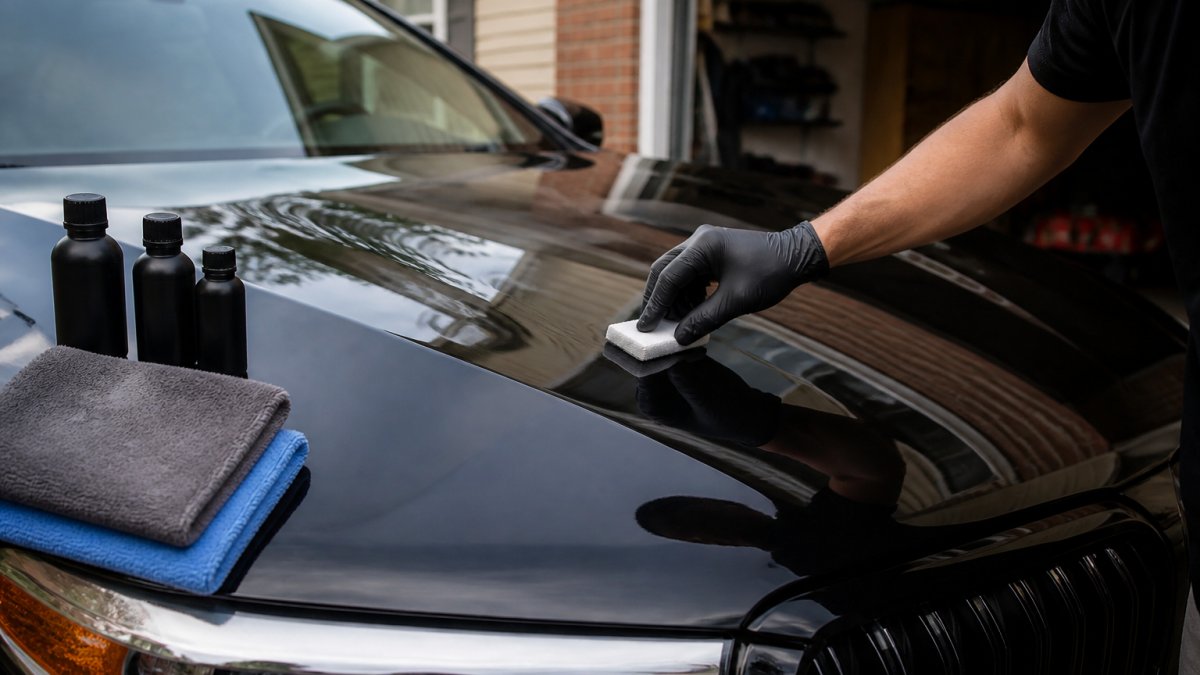
Wax is the oldest form of surface protection and still works for owners who enjoy reapplying it. It adds gloss and a hydrophobic effect but wears off fast under sun and rain. Sealants are synthetic versions that last longer and resist chemicals better. Neither stops a rock chip. To compare what a professional-grade coating involves, review our ceramic coating service.
Ceramic Coatings: Benefits and Limitations
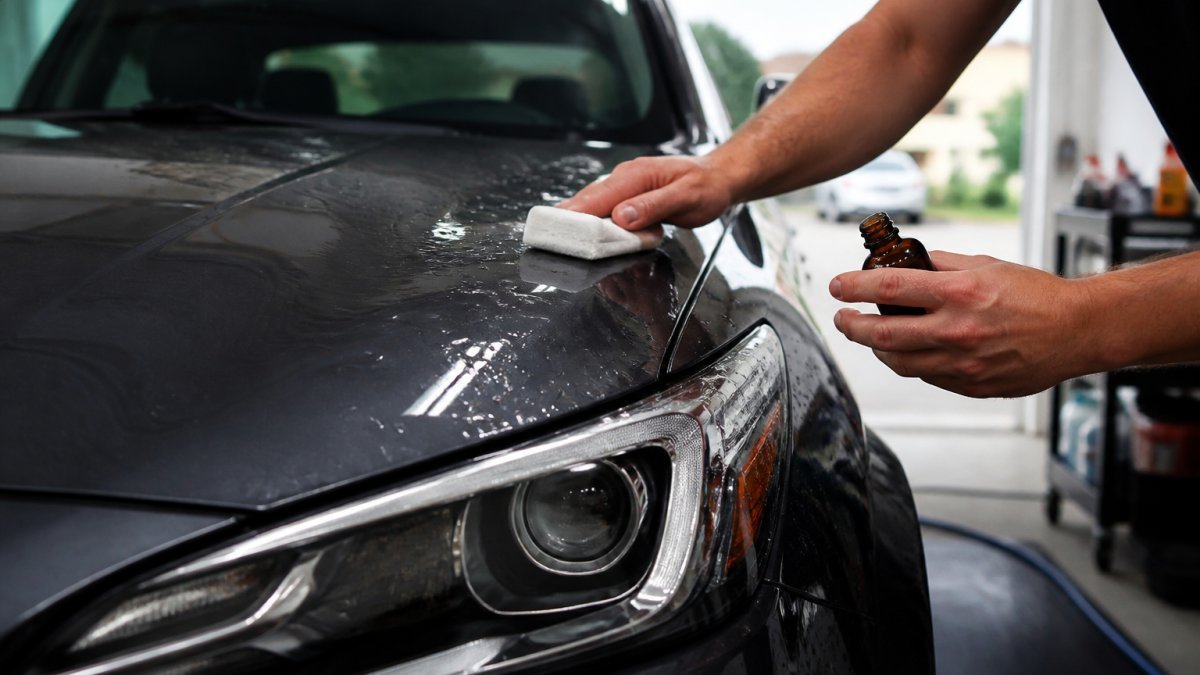
A ceramic coating is a liquid polymer that cures into a semi-permanent layer bonded to the clear coat, delivering hydrophobicity, chemical resistance, and easier washing for years. The benefits are real: water beading, less staining, and a slick surface that resists swirl marks during washing. The limitation is equally real. A coating does not absorb impact. Road debris will still chip paint, and the coating will not hide existing scratches, which is why paint correction comes first.
Paint Protection Film: Benefits and Limitations
PPF is a thick urethane film applied over painted panels, and it is the only option that physically absorbs impacts from rock chips and road debris. Many films are self-healing, meaning light scratches vanish with heat. The trade-offs are cost and coverage: film is the most expensive per panel, and full-vehicle installation is a major job. It also has edges that collect dirt if installed poorly.
PPF vs Ceramic Coating: Which Handles Rock Chips and Scratches Better
For impact protection, PPF wins outright; for chemical resistance, gloss, and easy maintenance, ceramic coating wins. Film is a physical shield; coating is a chemical one. A common mistake is expecting a coating to prevent chips on a highway-driven daily driver. If chip risk is your priority, film goes on the high-impact zones first. Many owners combine both: film on the front, coating everywhere.
How Long Does Ceramic Coating Last, and What Shortens Its Life
Longevity depends on preparation quality, curing, and how the car is washed. Abrasive brushes, harsh detergents, and neglect shorten life fast. For a deeper look at the variables, read our breakdown of how long ceramic coating lasts.
New Car Paint Protection Cost: What Drives the Price
Pricing depends on the product, the vehicle, and the paint condition. For current prices or a quote for your vehicle, contact Blue Ridge – Mobile Detailing through our website.
Upfront Cost Ranges by Protection Type
| Protection | DIY Material Cost | Professional Installed Cost | Typical Coverage |
|---|---|---|---|
| Car wax (per application) | $15-$40 | $75-$200 | Full exterior |
| Paint sealant (per application) | $20-$60 | $150-$350 | Full exterior |
| Consumer ceramic coating kit | $60-$150 | n/a | Full exterior, 1-2 years |
| Professional ceramic coating | n/a | $600-$1,500 | Full exterior, multi-year |
| PPF, partial front | $150-$400 (pre-cut kits) | $1,200-$2,500 | Bumper, partial hood, fenders, mirrors |
| PPF, full front clip | $300-$700 (pre-cut kits) | $2,000-$3,500 | Full hood, fenders, bumper, mirrors |
| PPF, full vehicle | $800-$1,800 (pre-cut kits) | $5,000-$8,000+ | Every painted panel |
| Paint correction (prep) | $50-$150 (tools and compounds) | $300-$800 | Required before coating or film |
Paint condition and coverage area are the main factors in the cost of a job. For a quote for your vehicle, visit the Blue Ridge – Mobile Detailing website.
The Costs Competitors Leave Out
Upfront price is only part of the story. Here is what ownership actually looks like over five years, assuming a mid-size sedan and average care:
- Wax path: $15-$40 in product per application, reapplied every 6-10 weeks. Over five years that is roughly $400-$1,000 in materials plus 25-40 hours of your own labor, or $2,000-$5,000 if you pay a shop each time.
- Sealant path: $20-$60 per application, reapplied 2-3 times yearly. Five-year material cost lands around $250-$900, with similar labor math to wax.
- Professional ceramic coating: $600-$1,500 upfront, plus a maintenance wash every 3-6 months ($50-$150 each) and an annual inspection. Five-year total is typically $1,200-$3,000, and the coating usually needs refreshing or reapplication by year 5-7.
If you are financing the car, ask whether the protection cost can be rolled into the loan. Many lenders allow it, and spreading a $2,500 partial-front PPF job over 60 months adds roughly $42/month, often less than the depreciation hit from a single hood repaint.
How to Compare Value, Not Just Price
The right comparison is cost per year of meaningful protection, not sticker price. A $1,200 ceramic coating that lasts five years costs about $240/year before maintenance. A $2,500 partial-front PPF install that lasts eight years costs about $310/year and prevents chips that would otherwise cost $500-$1,500 per panel to repaint.
That sequencing spreads the cost while protecting the highest-risk zones before they take damage.
Ask for an itemized breakdown before signing, and compare it against a standalone quote from a certified installer.
For a closer look at how installation pricing breaks down by service, see our ceramic coating pricing guide.
Coverage Maps: Partial vs Full-Vehicle Protection
“Partial” and “full” mean different things at different shops, and that ambiguity is where new-car owners overspend or underprotect. Below is a panel-by-panel breakdown of what each coverage tier includes, what it defends against, and how to prioritize if your budget is capped.
What Each Coverage Tier Actually Includes
| Panel | Partial Front | Full Front Clip | Full Vehicle |
|---|---|---|---|
| Front bumper | Yes | Yes | Yes |
| Partial hood (18-24 in.) | Yes | n/a | n/a |
| Full hood | No | Yes | Yes |
| Front fenders | Partial | Yes | Yes |
| Side mirrors | Yes | Yes | Yes |
| Headlights | Optional | Yes | Yes |
| A-pillars | No | Yes | Yes |
| Roof leading edge | No | Optional | Yes |
| Rocker panels | No | No | Yes |
| Rear bumper load area | No | No | Yes |
| Door edges and cups | No | No | Yes |
| Rear quarter panels | No | No | Yes |
Coatings cover every painted surface they are applied to but do not stop impact. A coating on the hood protects against UV, bird droppings, and water spotting; it will not stop a gravel truck’s stone.
Where Cars Actually Take Damage
Most rock-chip damage concentrates in a predictable band: the front bumper, the leading 18-24 inches of the hood, the front fenders, the side mirrors, and the A-pillars. On a highway-driven daily driver, that band absorbs the overwhelming majority of impact hits. The rocker panels and rear bumper load area take a different kind of damage, abrasion from road spray, gravel kicked up by the front tires, and scuffs from loading cargo, which is why full-vehicle coverage includes them but partial setups usually do not.
If you can only afford one tier, partial front is the highest-value coverage per dollar for most new-car owners. It targets the panels that are most expensive to repaint and most likely to take chips in the first 50,000 miles.
Prioritizing a Limited Budget
A practical sequence for a new-car owner working with a fixed budget:
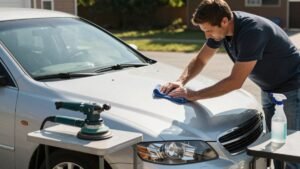
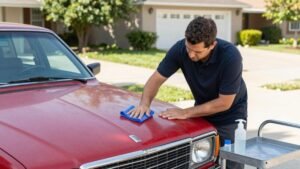
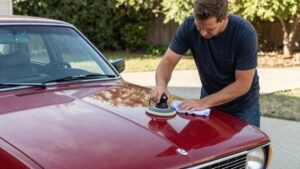
- Paint correction and decontamination first. No film or coating performs well over contaminated or swirled paint. Skipping this step is the most common false economy.
- Partial-front PPF on the highest-impact panels. Bumper, partial hood, fenders, and mirrors. This is the single best dollar-for-dollar impact protection.
- Ceramic coating on the remaining painted surfaces. Protects against UV, water spotting, and staining, and makes washing easier.
- Upgrade to full front clip or full vehicle later. Film can be added panel by panel as budget allows, and a good installer can extend coverage without redoing the existing film.
Matching Coverage to How You Drive
- Highway commuter, outdoor parking: Partial front PPF plus a coating on the rest. Sun and road debris are the dominant risks.
- Gravel or construction-zone driving: Full front clip at minimum, and consider rocker panel film. Impact risk extends beyond the front bumper.
- Coastal or winter-salt climate: Coating on all painted surfaces plus film on the front. Salt spray and road brine attack paint chemistry as much as they cause chips.
Decide based on where your car actually takes hits and how long you plan to keep it, not on a package name. A partial-front setup on a three-year lease is often better value than a full-vehicle job on a car you will trade before the film pays back.
Ceramic Coating Maintenance: What Ownership Actually Requires
Coated cars still need washing, just less aggressively. The coating’s slickness means most contamination rinses away. Our ceramic coating maintenance guide covers the wash routine.
Dealer-Installed Protection and New-Car Prep: What to Check
Dealer packages vary wildly, and the fine print matters more than the brochure. Ask what product is used, who installs it, whether paint correction is included, and what the warranty covers. Before delivery, inspect for transport damage and rail dust.
New car paint protection is a decision about risk, not shine. If you want a finish that stays glossy and washes easily without a shop visit, Blue Ridge – Mobile Detailing brings certified ceramic coating installation, multi-stage paint correction, and fully mobile service to your driveway.
Frequently Asked Questions
Which is better for a new car, PPF or ceramic coating?
They solve different problems. Paint protection film is a physical urethane layer that absorbs rock chips, road debris, and light scratches, and some films self-heal with heat. Ceramic coating is a liquid-applied layer that adds hydrophobicity, water beading, chemical resistance, and gloss but will not stop a stone strike. Many owners combine them: PPF on high-impact zones like the bumper and hood, then ceramic coating over the whole vehicle for slickness and easier washing.
Is paint protection worth it on a new car?
It depends on how long you plan to keep the car and where you drive. A new car’s clear coat is at its best, so protecting it early preserves gloss and makes maintenance easier. If you commute on highways with gravel trucks or park outside under trees, film and a coating earn their keep. If you lease for two years and park in a garage, a quality sealant may be enough. Match the spend to your real exposure.
Does a new car need paint correction before ceramic coating?
Usually yes, at least lightly. New paint often carries dealer wash swirl marks, transport residue, and bonded contamination from the factory or lot. A decontamination wash and a one-step polish remove those defects so the coating bonds to clean, defect-free paint. Applying a coating over swirl marks locks them in under a glossy layer, which makes them more visible in sunlight rather than less.
How long does ceramic coating last, and what does maintenance involve?
Lifespan varies with the product and how the vehicle is cared for. For how long a coating will last on your vehicle, contact Blue Ridge – Mobile Detailing. Lifespan drops with automatic brush washes, harsh detergents, and neglect. Maintenance means periodic pH-neutral hand washes, avoiding abrasive compounds, and occasionally applying a coating-specific topper. Ask your installer what warranty terms require, since some warranties are voided by automatic car washes.